Finding the lowest mortgage refinance rates for veterans has become one of the most important financial goals for military families across the United States. Veterans who already own homes through VA loans often search for ways to reduce monthly payments, lower interest rates, access home equity, or shorten loan terms. With mortgage markets constantly changing, understanding how to secure the best refinance rates can save veterans thousands of dollars over the life of their loans.
The good news is that veterans have access to some of the most competitive refinancing programs available in the mortgage industry. Thanks to benefits offered by the Department of Veterans Affairs, qualified military borrowers can refinance with lower rates, reduced fees, and more flexible credit requirements compared to conventional loans.
Whether you are an active-duty service member, retired veteran, National Guard member, or surviving spouse, knowing how to qualify for the lowest mortgage refinance rates for veterans can make a major difference in your long-term financial stability. This comprehensive guide explains everything veterans need to know about refinancing options, eligibility requirements, interest rate factors, lender comparisons, and strategies for maximizing savings.
What Are Mortgage Refinance Rates?
Mortgage refinance rates refer to the interest rates lenders offer when replacing an existing mortgage with a new loan. Veterans refinance for several reasons, including:
- Lowering monthly mortgage payments
- Reducing overall interest costs
- Changing loan terms
- Switching from adjustable-rate to fixed-rate mortgages
- Accessing home equity through cash-out refinancing
- Consolidating debt
- Improving financial flexibility
When veterans secure lower refinance rates, they can potentially save hundreds of dollars per month and tens of thousands of dollars over the loan term.
The lowest mortgage refinance rates for veterans are typically available through VA-backed refinance programs. These programs provide significant advantages over conventional refinancing options.
Understanding VA Refinance Loans
VA refinance loans are government-backed mortgage programs designed specifically for eligible veterans and military families. The Department of Veterans Affairs guarantees part of the loan, reducing risk for lenders and allowing them to offer more favorable terms.
There are two primary VA refinance options:
1. VA Interest Rate Reduction Refinance Loan (IRRRL)
The VA IRRRL, often called a VA Streamline Refinance, is designed to help veterans reduce interest rates and monthly payments quickly and easily.
Benefits include:
- Minimal paperwork
- Limited credit requirements
- No appraisal in many cases
- Lower closing costs
- Faster approval process
- Reduced documentation requirements
Many veterans searching for the lowest mortgage refinance rates for veterans choose the IRRRL program because it simplifies the refinancing process.
2. VA Cash-Out Refinance
The VA cash-out refinance allows veterans to replace an existing mortgage while accessing home equity.
Common uses include:
- Paying off high-interest debt
- Home renovations
- Emergency expenses
- College tuition
- Medical bills
- Investment opportunities
Although cash-out refinance rates may be slightly higher than streamline refinance rates, veterans still receive competitive terms compared to conventional loans.
Why Veterans Often Receive Lower Refinance Rates
Several factors contribute to veterans receiving lower mortgage refinance rates.
Government Guarantee
The VA guarantee protects lenders against losses, making VA loans less risky. Because lenders face reduced risk, they can offer lower interest rates.
No Private Mortgage Insurance
Unlike conventional loans, VA loans do not require private mortgage insurance (PMI). Eliminating PMI lowers monthly payments and improves affordability.
Flexible Credit Requirements
Many VA lenders accept lower credit scores than conventional mortgage lenders.
Competitive Lending Market
Numerous lenders compete for veteran borrowers, which can help veterans secure the lowest mortgage refinance rates for veterans.
Current Market Trends for Veteran Mortgage Refinancing
Mortgage rates fluctuate based on economic conditions, inflation, Federal Reserve policies, and housing market trends.
Factors affecting refinance rates include:
- Inflation data
- Federal Reserve interest rate policies
- Bond market performance
- Housing demand
- Employment rates
- Global economic conditions
Veterans who monitor mortgage trends carefully can identify ideal refinancing opportunities.
When rates decline, refinancing may significantly reduce monthly expenses.
How Credit Scores Impact VA Refinance Rates
Although VA loans offer flexible guidelines, credit scores still influence refinancing rates.
Excellent Credit (740+)
Veterans with excellent credit usually qualify for the lowest available refinance rates.
Good Credit (680–739)
Most veterans in this range still receive highly competitive rates.
Fair Credit (620–679)
Rates may be slightly higher, but VA programs remain accessible.
Poor Credit (Below 620)
Some lenders may still approve applications, though rates could increase.
Improving credit scores before refinancing can help veterans secure the lowest mortgage refinance rates for veterans.
Strategies for improving credit include:
- Paying bills on time
- Reducing credit card balances
- Avoiding new debt
- Monitoring credit reports
- Correcting reporting errors
Best Time for Veterans to Refinance
Timing plays a major role in refinancing success.
Veterans should consider refinancing when:
- Interest rates drop significantly
- Credit scores improve
- Home values rise
- Financial goals change
- Monthly budget needs improvement
- Adjustable rates become risky
Many financial experts recommend refinancing if borrowers can reduce interest rates by at least 0.5% to 1%.
However, even smaller reductions may provide long-term savings depending on loan balance and repayment timeline.
Comparing Fixed-Rate and Adjustable-Rate Mortgages
Fixed-Rate Mortgages
Fixed-rate loans maintain the same interest rate throughout the loan term.
Advantages include:
- Predictable monthly payments
- Long-term stability
- Easier budgeting
- Protection against rising rates
Most veterans prefer fixed-rate refinancing for financial security.
Adjustable-Rate Mortgages (ARMs)
ARMs begin with lower initial rates that adjust periodically.
Advantages include:
- Lower starting payments
- Potential short-term savings
- Good for short-term homeownership
However, ARMs carry more risk if interest rates rise.
Veterans seeking stability often focus on fixed-rate options when searching for the lowest mortgage refinance rates for veterans.
How Loan Terms Affect Refinance Rates
Loan term length significantly impacts interest rates and total loan costs.
15-Year Mortgage Refinance
Advantages:
- Lower interest rates
- Faster loan payoff
- Reduced total interest costs
- Faster equity growth
Disadvantages:
- Higher monthly payments
30-Year Mortgage Refinance
Advantages:
- Lower monthly payments
- Greater budget flexibility
- Easier qualification
Disadvantages:
- Higher total interest paid
Veterans should evaluate both monthly affordability and long-term financial goals before choosing loan terms.
Top Factors Lenders Consider
Lenders evaluate multiple factors before approving refinance applications.
Income Stability
Consistent income improves approval chances.
Debt-to-Income Ratio (DTI)
Lower DTI ratios usually qualify for better rates.
Employment History
Stable employment demonstrates financial reliability.
Home Equity
More equity often leads to lower refinance risk.
Loan Amount
Loan size may influence available interest rates.
Property Type
Primary residences usually receive the best refinance rates.
Steps to Get the Lowest Mortgage Refinance Rates for Veterans
1. Check Your Credit Score
Review your credit report before applying.
2. Compare Multiple Lenders
Different lenders offer varying rates and fees.
3. Improve Debt Ratios
Pay down outstanding balances if possible.
4. Gather Financial Documents
Prepare income verification, tax returns, and mortgage statements.
5. Lock Your Interest Rate
Rate locks protect against market increases during processing.
6. Negotiate Closing Costs
Some lenders may reduce fees or offer lender credits.
VA IRRRL vs Conventional Refinance
Veterans often compare VA streamline refinancing with conventional refinancing.
Advantages of VA IRRRL
- Lower interest rates
- Reduced fees
- Easier qualification
- No PMI
- Faster approvals
- Less documentation
Advantages of Conventional Refinance
- More property flexibility
- Non-VA loan eligibility
- Additional lender options
For most eligible veterans, VA refinancing provides superior benefits.
Understanding Closing Costs
Closing costs are fees associated with refinancing.
Common refinance costs include:
- Origination fees
- Appraisal fees
- Title insurance
- Recording fees
- Credit report fees
- VA funding fees
Veterans should calculate break-even points to determine whether refinancing makes financial sense.
Example:
If refinancing costs $4,000 but saves $250 monthly, the break-even point is approximately 16 months.
After that point, monthly savings become profit.
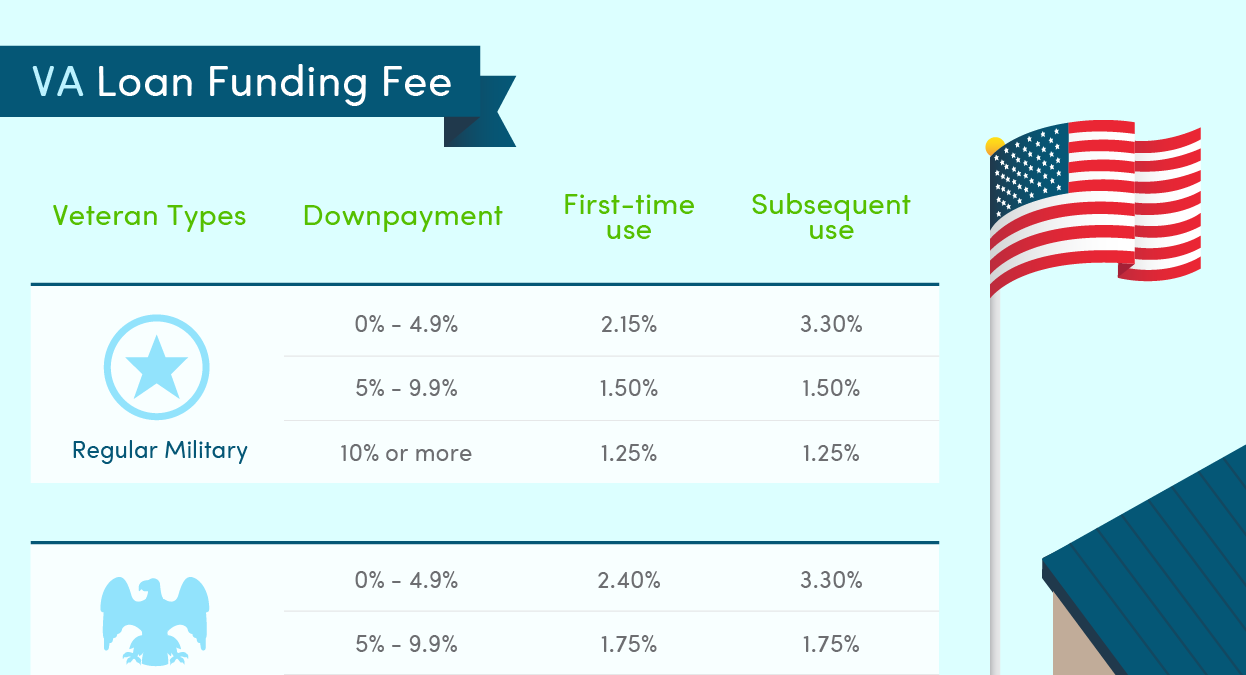
VA Funding Fee Explained
The VA funding fee helps sustain VA loan programs.
However, some veterans are exempt.
Possible exemptions include:
- Veterans receiving VA disability compensation
- Purple Heart recipients
- Certain surviving spouses
Funding fees may be financed into the loan balance.
Even with funding fees, veterans often secure the lowest mortgage refinance rates for veterans compared to conventional borrowers.
Cash-Out Refinancing for Veterans
Cash-out refinancing allows homeowners to borrow against home equity.
Benefits include:
- Debt consolidation
- Home improvements
- Emergency funds
- Business investments
- Education financing
Potential risks include:
- Increased loan balance
- Longer repayment periods
- Higher monthly payments
- Reduced home equity
Veterans should carefully evaluate long-term consequences before using home equity.
How Inflation Affects Mortgage Rates
Inflation strongly impacts mortgage refinancing costs.
When inflation rises:
- Mortgage rates often increase
- Borrowing becomes more expensive
- Refinancing opportunities decrease
When inflation slows:
- Mortgage rates may decline
- Refinancing becomes more attractive
- Housing affordability improves
Veterans who understand economic trends can refinance strategically.
Online Mortgage Lenders vs Traditional Banks
Online Mortgage Lenders
Advantages:
- Faster approvals
- Competitive rates
- Convenient applications
- Digital document uploads
Disadvantages:
- Less personal interaction
- Limited branch access
Traditional Banks
Advantages:
- In-person support
- Established relationships
- Local expertise
Disadvantages:
- Slower processing
- Potentially higher fees
Many veterans compare both options to find the lowest mortgage refinance rates for veterans.
Common Mistakes Veterans Should Avoid
Applying with Only One Lender
Comparing lenders improves savings opportunities.
Ignoring Closing Costs
Low rates may include expensive fees.
Extending Loan Terms Unnecessarily
Longer terms may increase lifetime interest costs.
Refinancing Too Frequently
Repeated refinancing may reduce long-term savings.
Overlooking Credit Improvement
Small credit score increases may significantly reduce rates.
How Home Equity Impacts Refinancing
Home equity is the difference between property value and remaining mortgage balance.
Higher equity levels usually:
- Improve approval odds
- Reduce lender risk
- Unlock better interest rates
- Lower borrowing costs
Veterans with strong home equity positions often receive premium refinancing offers.
Refinancing for Disabled Veterans
Disabled veterans may qualify for additional financial advantages.
Benefits may include:
- Funding fee exemptions
- Reduced financial burdens
- Improved affordability
- Flexible underwriting considerations
These benefits help disabled veterans access some of the lowest mortgage refinance rates for veterans available today.
Benefits of Lower Monthly Payments
Reducing monthly mortgage obligations can provide significant financial flexibility.
Potential advantages include:
- Increased savings
- Improved cash flow
- Reduced financial stress
- Greater investment opportunities
- Easier retirement planning
Even modest payment reductions can produce substantial long-term benefits.
Refinancing During Retirement
Many veterans refinance during retirement to improve affordability.
Retired borrowers may refinance to:
- Lower fixed expenses
- Eliminate adjustable-rate risks
- Pay off mortgages faster
- Improve retirement budgeting
Lenders evaluate retirement income sources such as:
- Pensions
- Social Security
- VA disability compensation
- Retirement account withdrawals
Mortgage Points and Rate Buydowns
Veterans may reduce refinance rates by purchasing discount points.
One discount point usually equals 1% of the loan amount.
Benefits:
- Lower interest rates
- Reduced monthly payments
- Long-term savings
However, upfront costs increase.
Veterans should calculate whether buying points aligns with expected homeownership duration.
Debt Consolidation Through Refinancing
Some veterans use cash-out refinancing to consolidate high-interest debt.
Potentially consolidated debts include:
- Credit cards
- Personal loans
- Medical bills
- Auto loans
Advantages:
- Lower overall interest rates
- Simplified monthly payments
- Improved cash flow
Risks:
- Converting unsecured debt into secured debt
- Extending repayment periods
- Increasing total interest over time
Careful financial planning remains essential.
Economic Benefits of VA Refinancing
VA refinancing programs support veterans while strengthening broader economic stability.
Benefits include:
- Increased homeownership affordability
- Reduced foreclosure risk
- Improved financial confidence
- Enhanced consumer spending
- Stronger housing markets
Veteran homeowners contribute significantly to local communities and the national economy.
Questions Veterans Should Ask Lenders
Before refinancing, veterans should ask:
- What interest rates are available?
- Are rates fixed or adjustable?
- What are total closing costs?
- Is there a prepayment penalty?
- How long is the rate lock?
- Are there lender credits available?
- What loan terms are offered?
- How long will processing take?
Comparing answers from multiple lenders improves negotiation power.
How Technology Improves Refinancing
Modern mortgage technology has simplified refinancing dramatically.
Innovations include:
- Digital applications
- Electronic signatures
- Automated underwriting
- Online rate comparisons
- Mobile document uploads
- Real-time loan tracking
These technologies help veterans refinance more efficiently.
Choosing the Right Mortgage Lender
The ideal lender offers:
- Competitive rates
- Transparent fees
- Strong customer service
- Fast processing
- VA loan expertise
- Positive borrower reviews
Veterans should prioritize lenders experienced with VA refinance programs.
Long-Term Savings Potential
Even small interest rate reductions can generate major savings.
Example:
A veteran refinancing a $350,000 mortgage from 7% to 5.75% could save hundreds monthly and potentially over $100,000 during the loan term.
These savings may support:
- Retirement planning
- Education funding
- Emergency savings
- Investment growth
- Family financial security
Future Outlook for Veteran Mortgage Rates
Mortgage markets constantly evolve.
Future refinance trends may depend on:
- Inflation levels
- Federal Reserve decisions
- Housing inventory
- Employment conditions
- Global financial stability
Veterans who remain informed can react quickly when favorable refinancing opportunities appear.
Why VA Loans Remain One of the Best Mortgage Benefits
VA mortgage programs continue to provide extraordinary value for military families.
Major advantages include:
- Competitive interest rates
- No PMI requirements
- Flexible qualification standards
- Limited down payment requirements
- Government backing
- Streamlined refinancing options
These benefits explain why so many veterans actively search for the lowest mortgage refinance rates for veterans.
Final Thoughts
Finding the lowest mortgage refinance rates for veterans requires careful research, financial preparation, and lender comparison. Veterans possess unique advantages through VA-backed refinance programs, making homeownership more affordable and financially sustainable.
Whether pursuing a VA streamline refinance or a cash-out refinance, veterans should evaluate credit scores, home equity, loan terms, closing costs, and market conditions before making decisions.
The right refinancing strategy can reduce monthly payments, improve cash flow, eliminate financial stress, and generate substantial long-term savings.
By understanding available options and working with experienced VA lenders, veterans can maximize the benefits earned through military service while building stronger financial futures for themselves and their families.
For military families seeking greater affordability and financial stability, securing the lowest mortgage refinance rates for veterans may become one of the smartest financial decisions they ever make.